
The recipe that survived a war
As the Thirty Years' War ended in 1648, a recipe was born: a herb liqueur of over 200 botanicals, balanced not for harshness but for extraordinary smoothness. Nearly four centuries later, Alter Schwede is still made to the original recipe in Vechta, Germany.
At 37% it is mild, soft and remarkably elegant, a herb liqueur of the very top class, and the flagship of our German house.
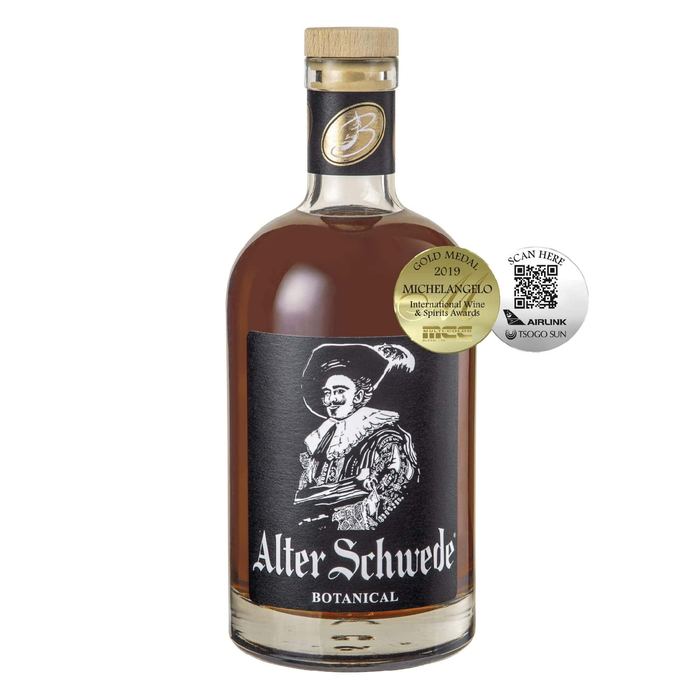
In South Africa it wears the black “Botanical” label, the same 1648 recipe, bottled locally at 750ml and crowned Michelangelo Gold.
Every occasion covered
Black-Label 750ml (SA)
The South African “Botanical” bottle, the original 1648 recipe, Michelangelo Gold.
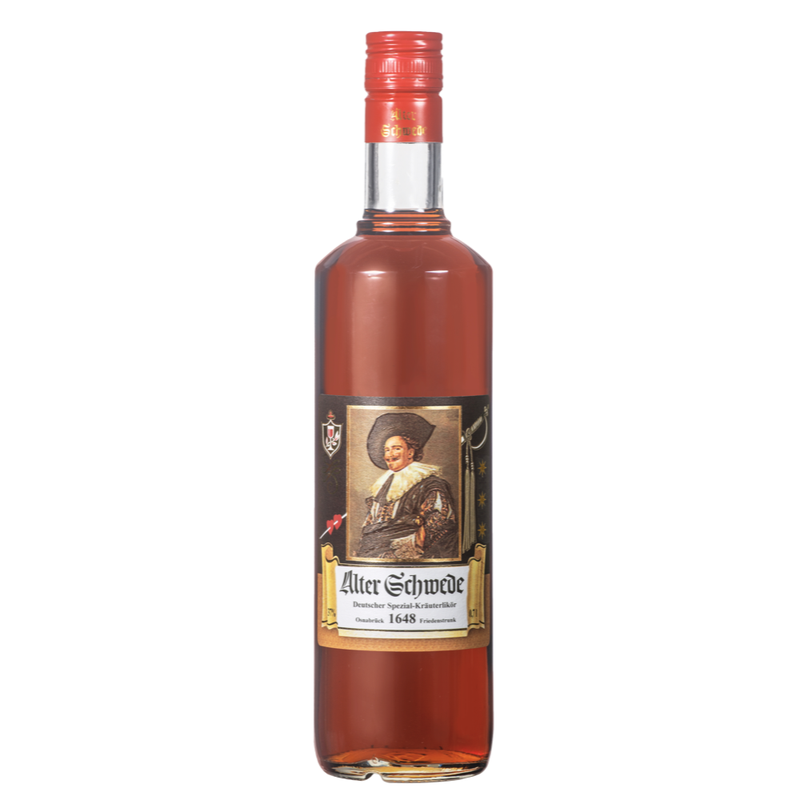
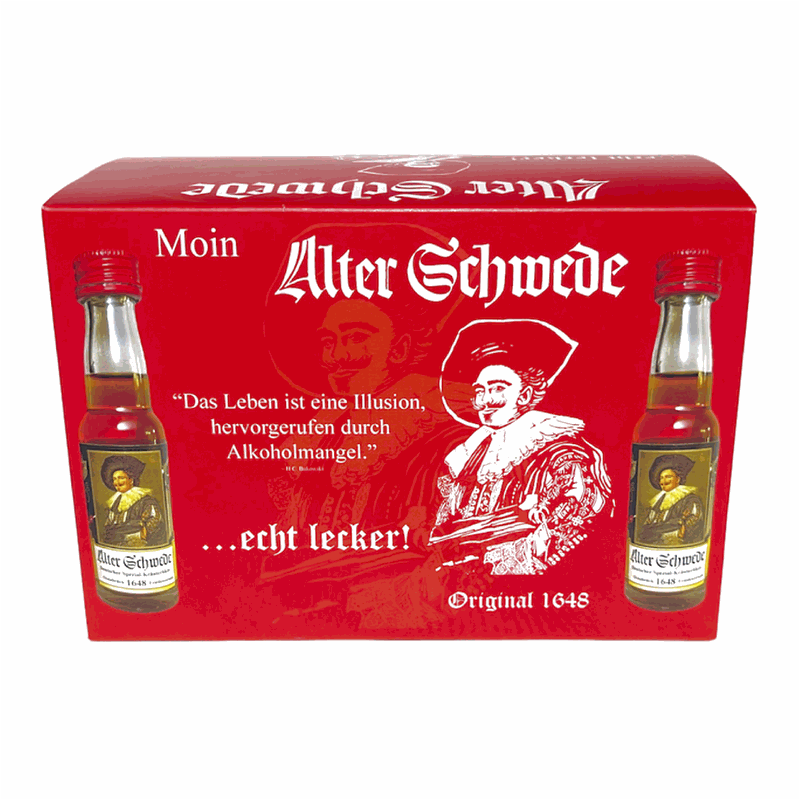
Original 0,7L (DE)
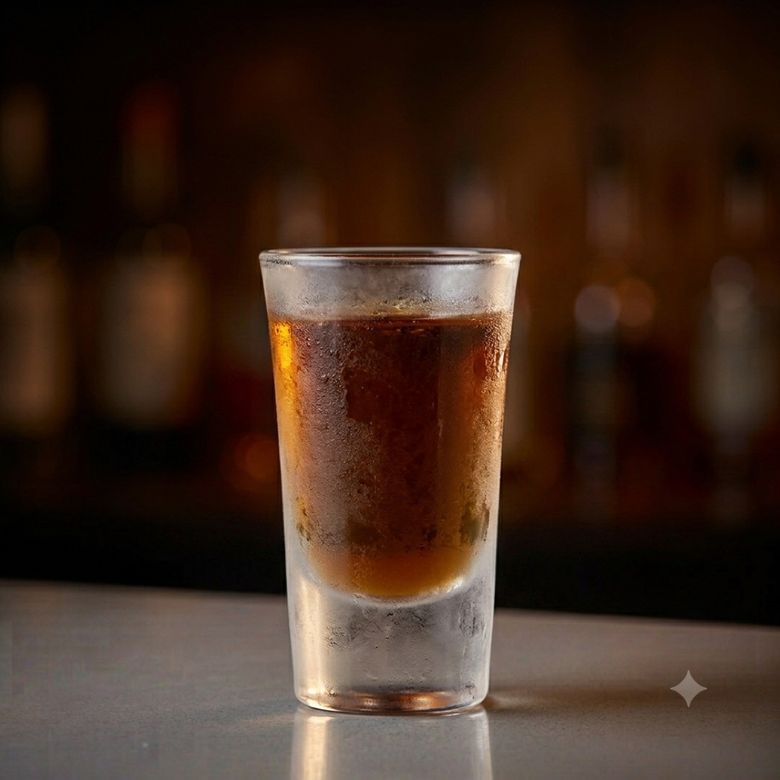
The classic German bottle, ice-cold as a shot, neat over ice, or simply as it is.
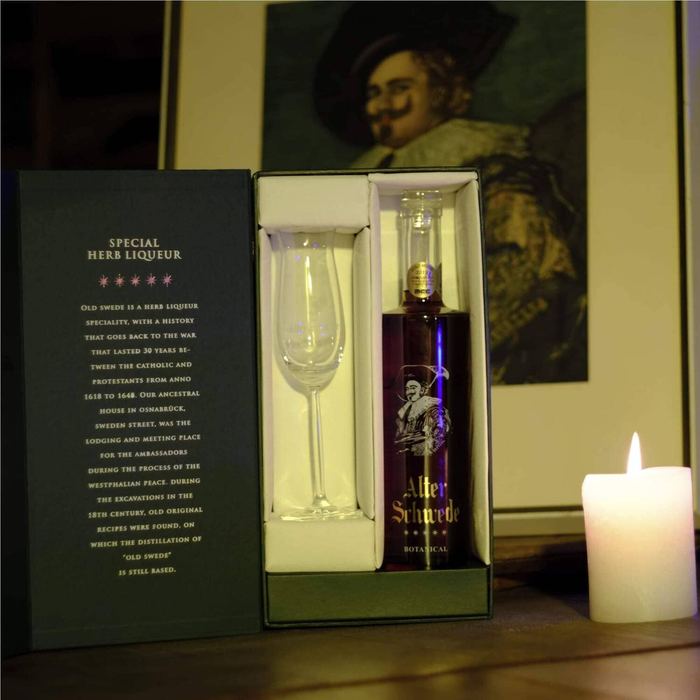
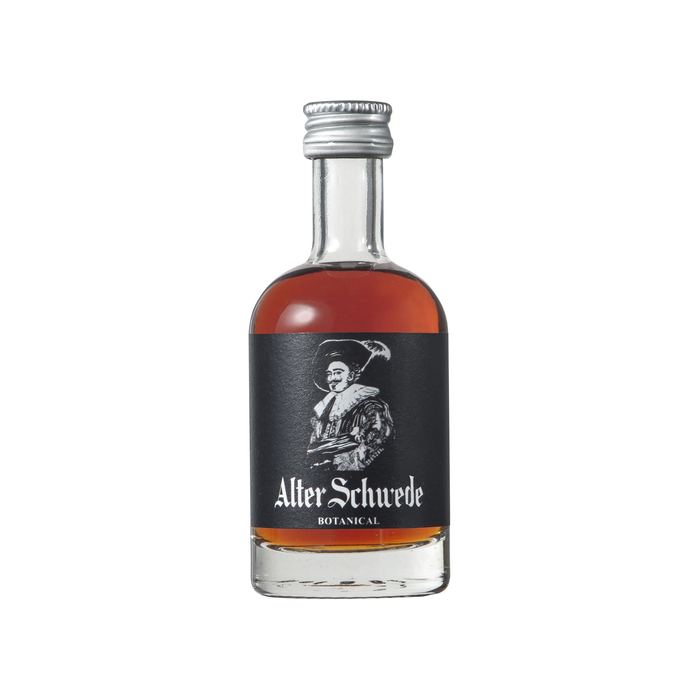
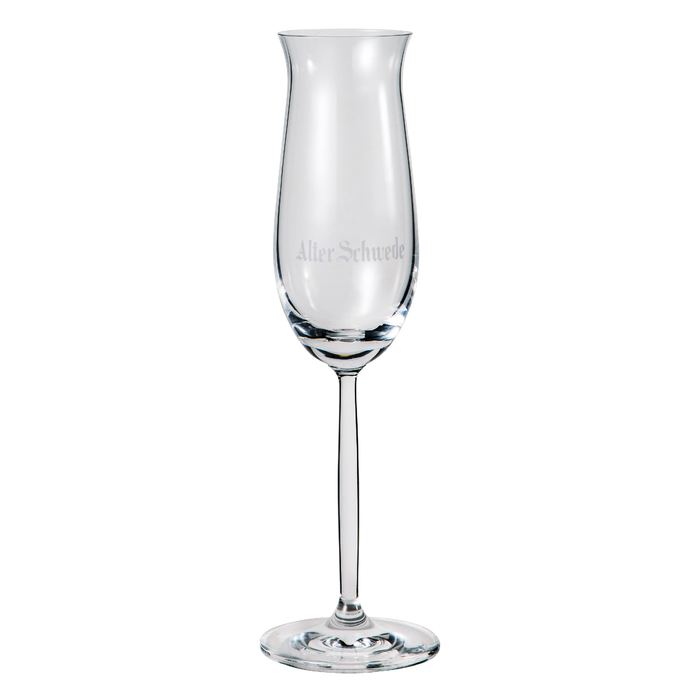
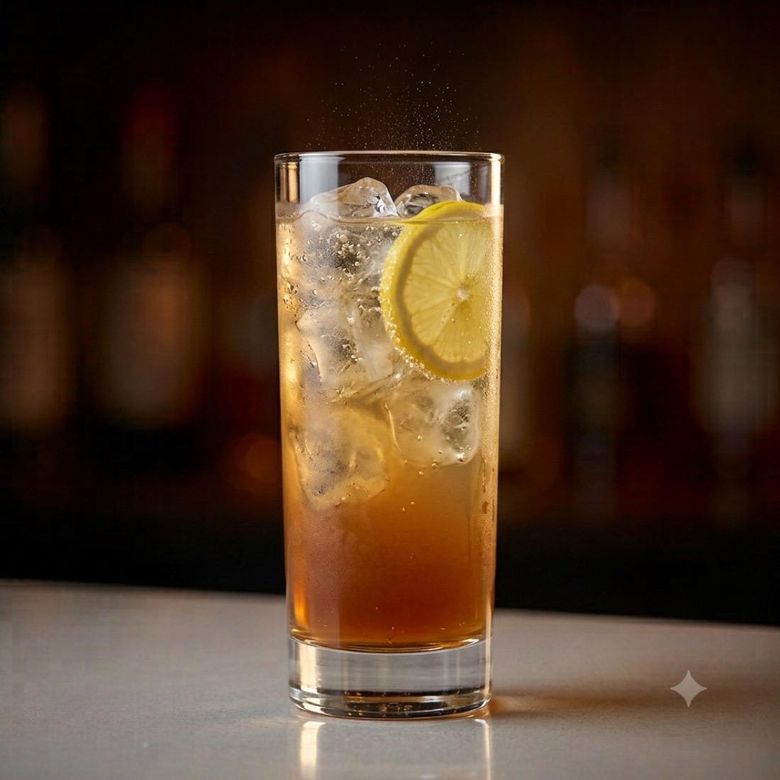
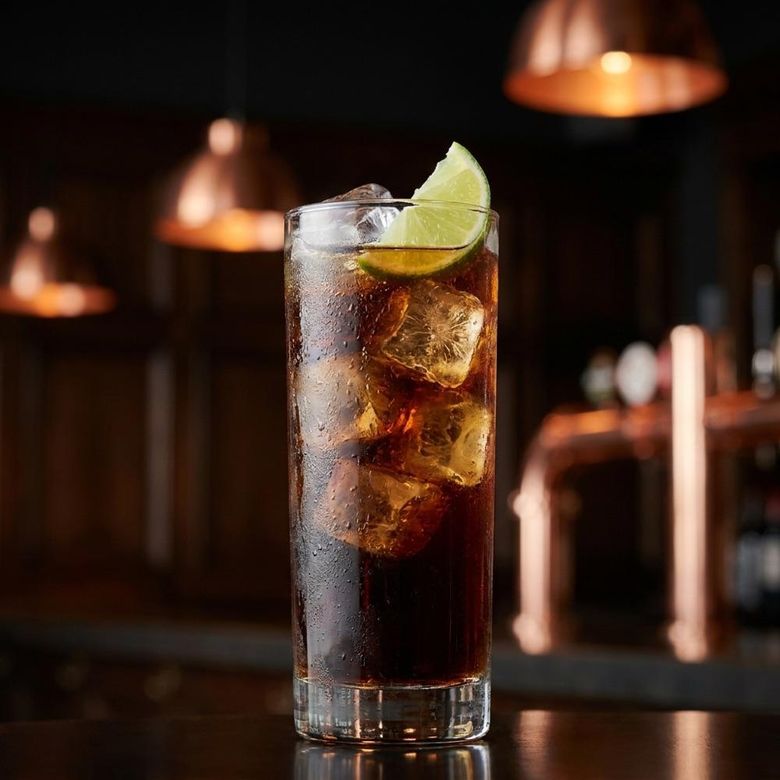
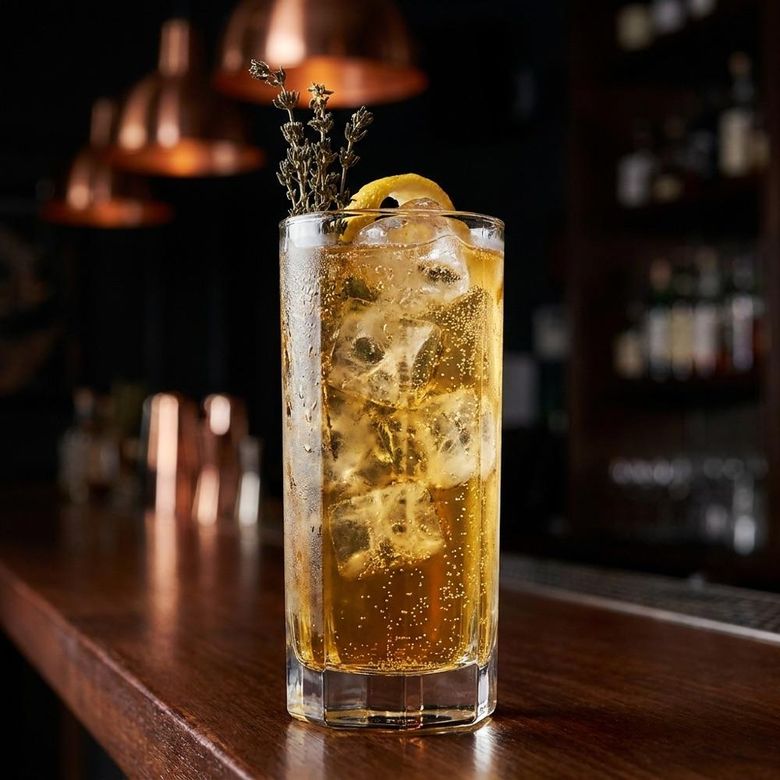
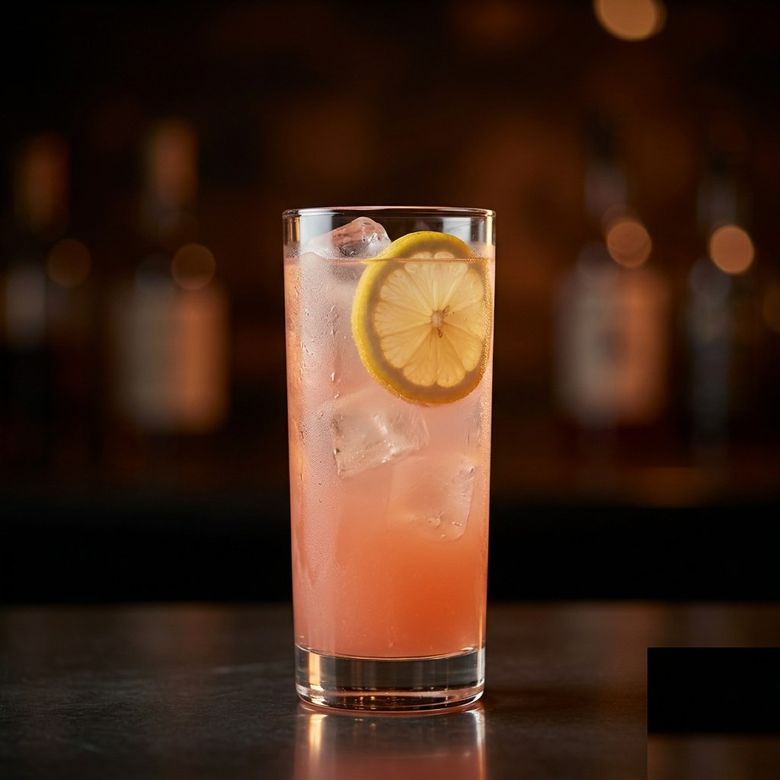
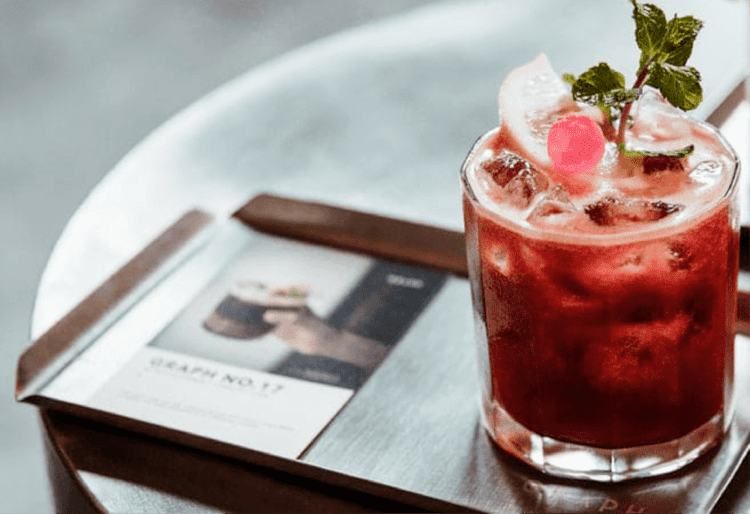
Three ways to drink it
Alter Schwede questions
What is Alter Schwede?
Alter Schwede is an original German special herb liqueur (Kräuterlikör) whose recipe dates back to 1648, at the end of the Thirty Years' War. Made with over 200 different herbs, it is prized for drinking exceptionally smooth: mild, soft and elegant at 37% ABV, a herb liqueur without the bitterness.
How do you drink Alter Schwede?
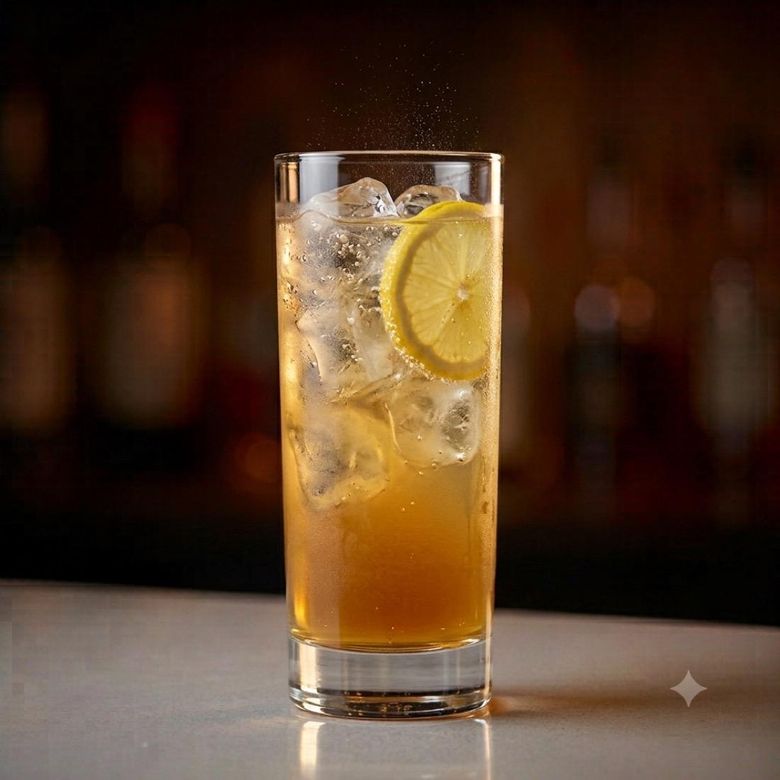
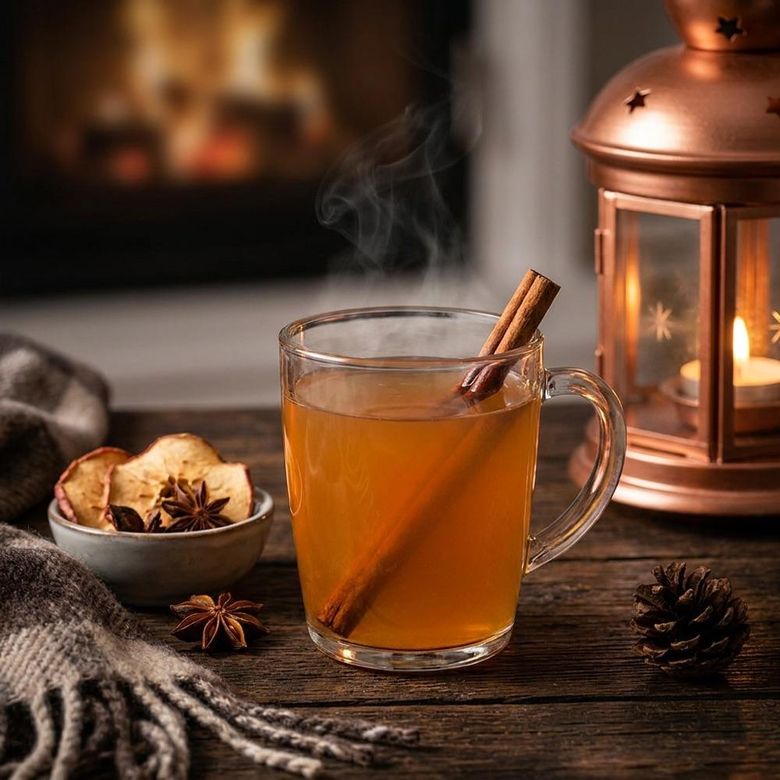
The classic serve is ice-cold, straight from the freezer, as a shot or on the rocks. It also mixes beautifully, try the Schwede Mule with ginger beer or the hot 'Heißer Schwede' with warm apple juice in winter.
Where can I buy Alter Schwede?
In Germany and the EU from our shop at alter-schwede.net (and the distillery shop in Vechta, Marschstraße 12). In South Africa from b-distillery.co.za with nationwide delivery.
Why is it called 'Alter Schwede' (Old Swede)?
'Alter Schwede!' is a beloved German exclamation of astonishment, tracing back to seasoned Swedish soldiers of the Thirty Years' War era, the same era our recipe was born. One sip and you'll say it too.
From the heritage of this 1648 recipe our master distillers crafted a fiercer, Nordic descendant, Valhalla Elixir, the Viking Shot. Coming soon in Germany: Alter Schwede Kräuterlikör mit Whisky, the same black label, married with whisky. And the house that has guarded these recipes since 1886? Kohlhoff, est. 1882.